

How to Install Blind Rivets

Blind rivets are widely used in sheet metal and industrial assemblies where access is available from only one side of the workpiece. Proper installation is essential to ensure joint strength, consistent performance and long-term reliability.
What You Need to Install Blind Rivets
Before installation, make sure the correct tools and materials are prepared.
Required items include:
Blind rivets with the correct diameter and grip range
A rivet installation tool (manual, pneumatic or battery-powered)
Pre-drilled holes in the workpieces
Safety equipment such as gloves and eye protection
Selecting the correct rivet size and tool is critical for proper setting and joint performance.
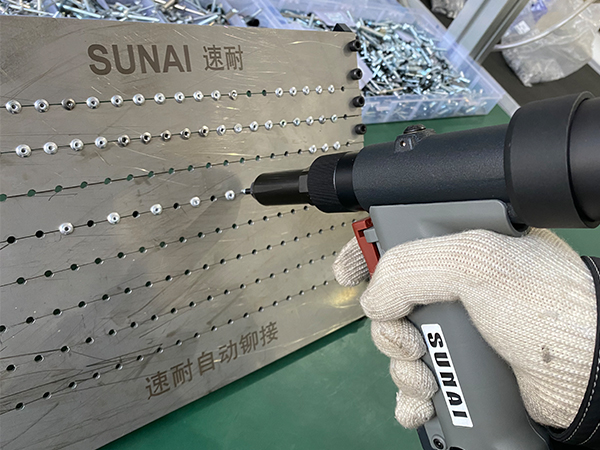
Step-by-Step Blind Rivet Installation Process
Step 1: Drill and Align the Holes
Drill holes according to the rivet diameter and ensure the holes in both workpieces are properly aligned. The hole diameter should match the rivet body diameter to avoid loose or misaligned joints.
Clean the hole to remove burrs or debris before inserting the rivet.
Step 2: Insert the Blind Rivet
Insert the blind rivet into the aligned hole from the accessible side. The rivet head should sit flush against the surface of the material.
Ensure the rivet is fully inserted before applying the tool.
Step 3: Attach the Rivet Tool
Place the rivet tool nosepiece over the mandrel and ensure it is securely engaged. Hold the tool perpendicular to the work surface to ensure even force during installation.
Step 4: Set the Rivet
Activate the rivet tool to pull the mandrel. As the mandrel is pulled, the rivet body expands on the blind side, forming a secure joint.
Continue pulling until the mandrel snaps at its designed break point.
Step 5: Inspect the Installed Rivet
After installation, check that:
- The rivet head is flush with the surface
- The blind side has formed correctly
- The mandrel has fully broken and detached
Proper inspection helps ensure consistent fastening quality.
Common Mistakes When Installing Blind Rivets
Even simple installations can fail if common errors occur.
Typical mistakes include:
- Using an incorrect grip range
- Misaligned holes
- Applying the tool at an angle
- Selecting an unsuitable rivet material
- Incomplete mandrel break
Avoiding these issues improves joint strength and appearance.
Best Practices for Reliable Rivet Installation
To achieve consistent results:
- Always verify grip range and material compatibility
- Use the appropriate rivet tool for the application
- Maintain tools regularly to ensure consistent pulling force
- Test installations on sample materials before production
Following these best practices reduces installation failures and rework.
When to Use Blind Rivets
Blind rivets are commonly used in:
Sheet metal assemblies
Enclosures and panels
HVAC systems
Electrical cabinets
Automotive and industrial equipment
They are especially suitable when access is limited to one side of the assembly.
Correct installation is essential for achieving the full performance benefits of blind rivets. By selecting the right rivet, using proper tools and following a structured installation process, reliable and consistent fastening results can be achieved across a wide range of applications.
